CoSPA 1 Education Program
Under this program, we focus on the following strategic interventions
2.1.1: Early Childhood Education (ECD)
Training of Centre management committee members
We labor to build the capacity of our Centre management committee members annually in ECD programming and management. Currently,
Provision of scholastic materials
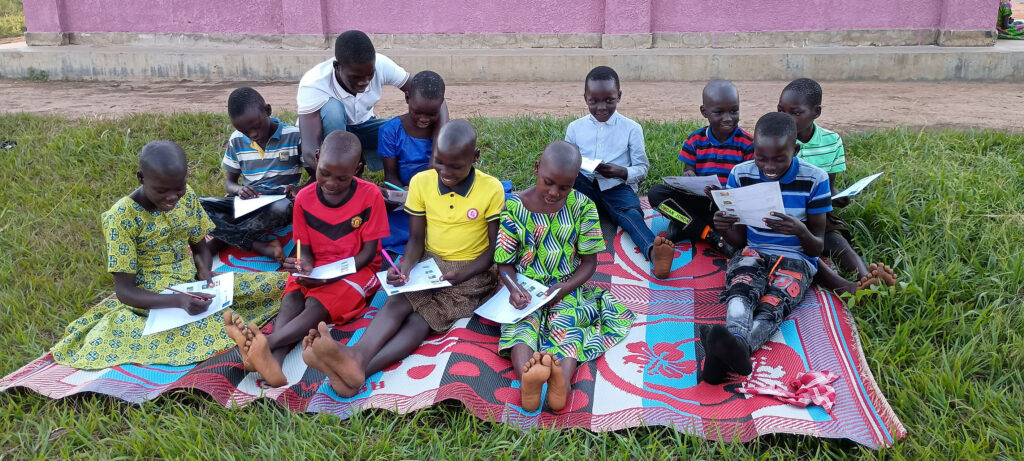
In our ECD programming and analysis, shortage of scholastic materials for the children posed high threats in the chain of delivery since our caregivers/parents are financially deeming. We therefore provide writing books, Colors, pens, realm of papers, shoes and uniforms termly and yearly to the vulnerable children. Additionally, we also provide text books, illustrative pictures and charts to schools to aid in learning sessions.
Since 2007, we have supported 2,500 children and worked with 15 schools and 20 ECD Centres in Lira, Dokolo, Alebtong and Kwania districts-Lango Sub-region.
Capacity building of ECD Teachers
We value quality of the knowledge transferred and the approaches applied in the transfer. We have supported ongoing hands-on training to over 200 ECD teachers in Lango sub-region the modern ECD programming.
As a Centre, we have also supported and trained 25 (11 male and 14 Female) young ECD teachers up to diploma levels so as to ensure quality. Interestingly, 90% of them have been absorbed into ECD Schools within Lango sub-region.
2.1.2: Sponsorship program for the most vulnerable
Co-fund for education Activities
We mobilize resources and fund some education activities. We contribute 70% school fees and other related costs for children at all levels, upper primary level, secondary and tertiary till completion.
Over 1,500 children have been and are being consistently supported through their journeys of studies-at Nursery, primary, secondary and tertiary institutions. With 200+ graduates currently supporting the communities.
2.1.3: Increasing enrollment, retention and completion at all levels
Truck Transition
We keenly follow-up our participants right from enrollment to graduation. A serious truck through progress reports, regular assessments are conducted to evaluate their performances. We conduct home visits to ascertain their livelihood statuses.
2.1.4: Learning through play
Play, an avenue of a child’s learning and development
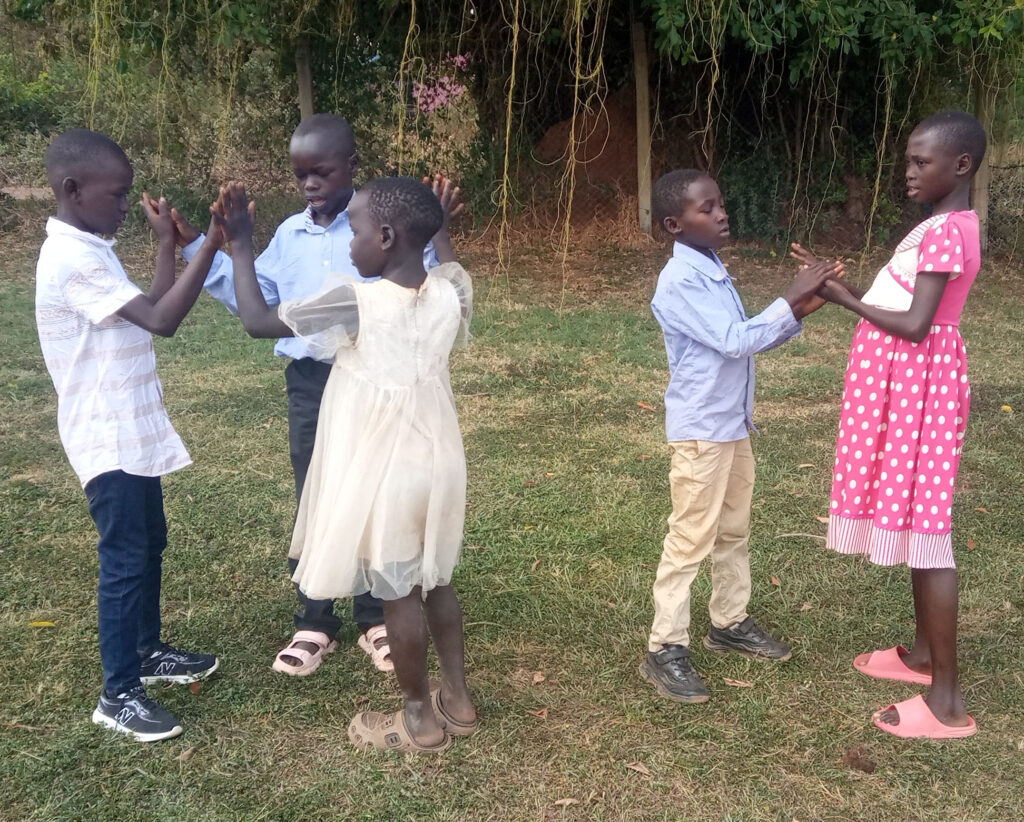
We have experienced that play is very essential in a child’s growth and development in all stages. Through play, children learn. Furthermore, they solve life challenging problems, strategically think, relate with others, they also manage life’s sensitive situations. It is through play that children engage how to learn, as well love learning.
Our Children are engaged in Centre days which are scheduled weekly at the Child Development Centres. During these engagements; children are freely involved in different games and learning sessions. To begin with, a play corner is well established for children. In addition, children engage is sports, storytelling sessions, art and craft, developing play materials from locally available materials. These have enriched their learning sessions hands-on, with other benefits of cordial relationship and team building.
Play at home
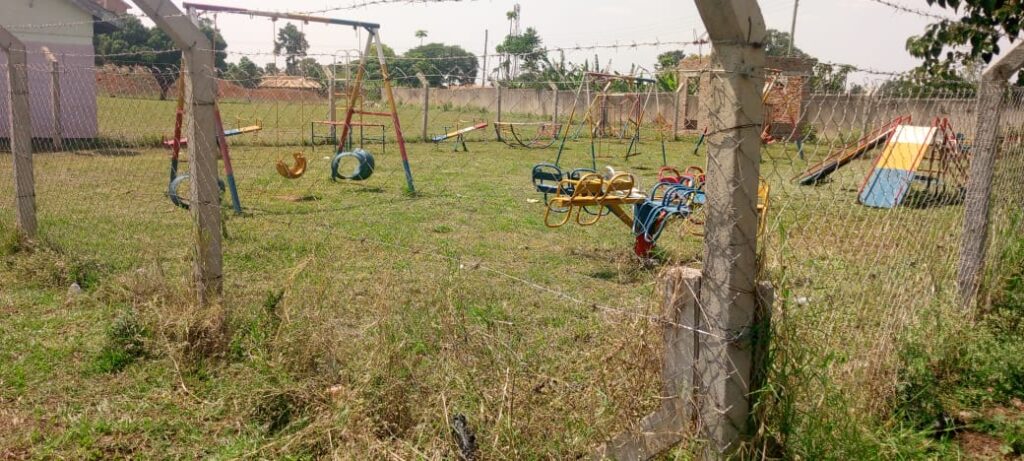
Currently, we are extending our interventions to the community through homesteads. Every homestead is expected to innovatively and creatively have play materials from locally available materials. Additionally, we expect the parents to get involved in the play sessions with the children, as well build for them safe and secured play spaces for the play materials.
2.1.5: Skilling Children, youth and caregivers for self-reliance
Abutoadi CDC has trained and supported 2500 children, youth and caregivers with practical, market-relevant skills through short- and long-term training programs including; tailoring, computer studies, brass band system operations, welding and fabrication, hair-dressing, motor vehicle technics, poultry management, cake making, liquid soap making.
Additionally, our approach incorporates entrepreneurship education, fostering mentorship opportunities, and promoting linkages with industry partners to ensure graduates have pathways to employment or self-employment opportunities.